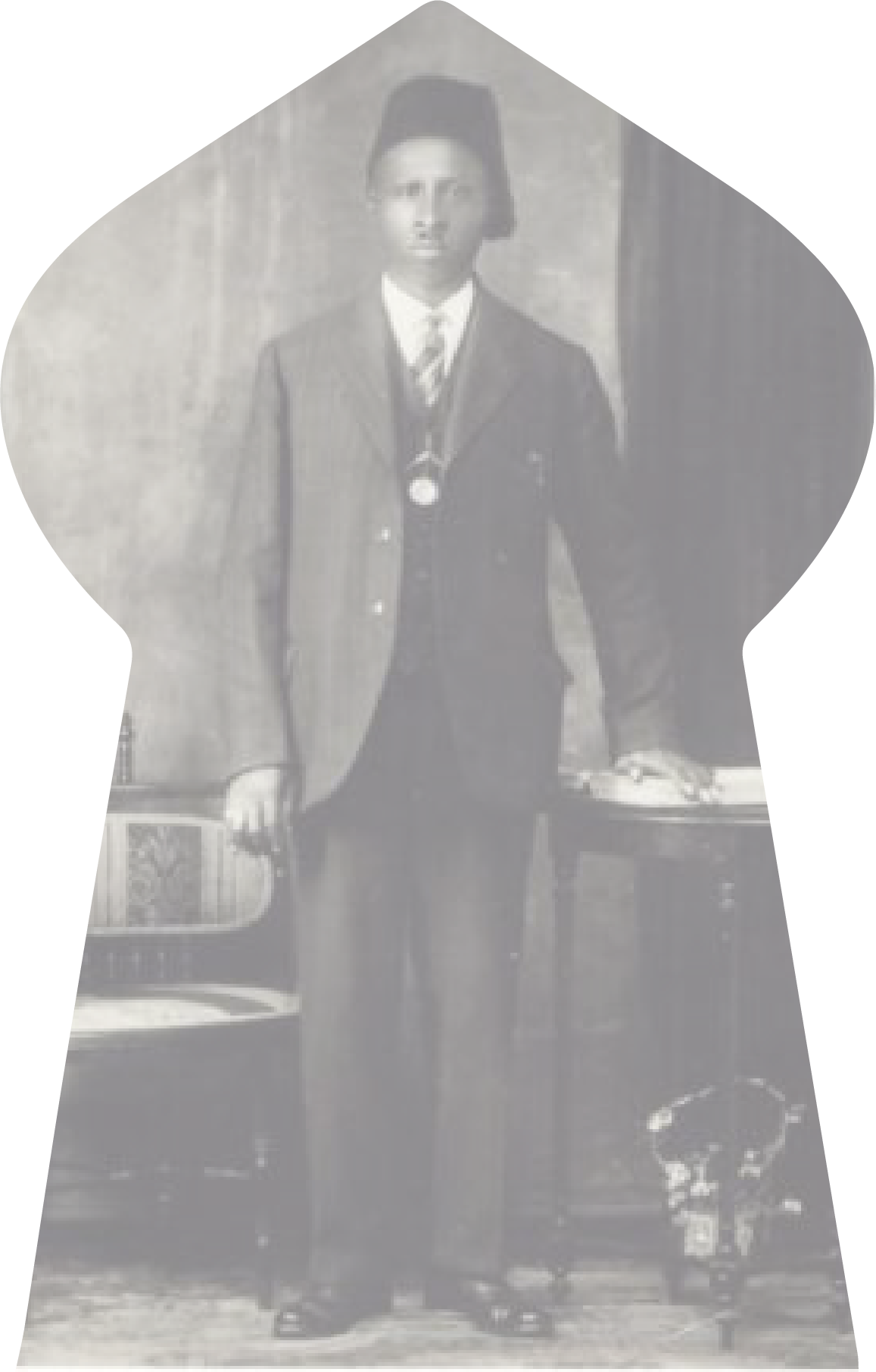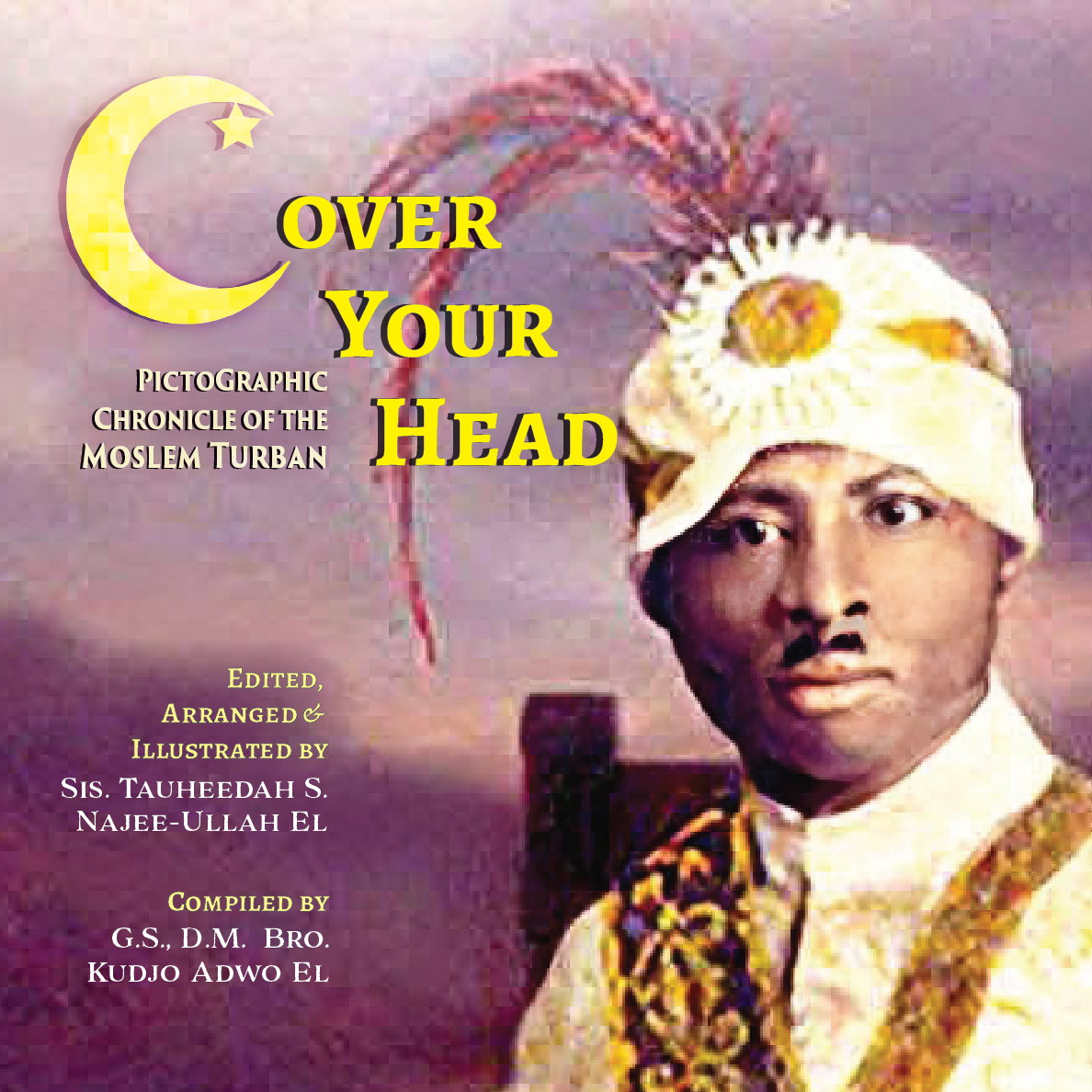
In Cover Your Head: A Pictographic Chronicle of the Moslem Turban, the turban emerges as far more than a fashion statement; it's a symbol of identity, spirituality, and resilience for Moorish Moslems. Throughout history, the turban has signified nobility, wisdom, and divine connection. Its origins are ancient and span many regions, including India, Africa, and the Middle East, but for Moorish Moslems, the turban holds a unique place as an emblem of cultural pride and self-dignity.
A Timeless Symbol Across Cultures
The turban's journey begins in antiquity. Artifacts reveal its use in Mesopotamian societies around 2350 BCE, where it was often worn by nobility and spiritual figures. In these early civilizations, the turban symbolized connection to divine knowledge and inner stability. In many parts of Africa and Asia, the turban has represented not only status but also protection of the mind and spirit.
For Moorish Moslems, the turban signifies unity with ancestors and serves as a declaration of spiritual and cultural identity. As discussed in this episode of Messed Up Moorish Story, the turban connects present-day wearers with centuries of tradition, reminding them of their roles as both students and keepers of Moorish heritage.