Throughout history, the identity of the Moors has often been obscured, reduced to misnomers, or erased altogether. Hidden in Plain Sight: The Parable of the Moorish Sardine reveals the deliberate concealment of Moorish contributions to world civilization and the tactics used to strip indigenous people of their national and cultural identity. By reclaiming this narrative, Moorish Americans can reconnect with a proud heritage rooted in excellence, innovation, and resilience.The text begins with critical questions: What is a Moor? Why does nationality matter?. These are not rhetorical inquiries but an invitation to challenge long-held assumptions. By exploring history through a Moorish lens, the book reveals the systematic attempts to erase the true identities of the indigenous peoples of the Americas and replace them with labels like "Black," "Negro," or "African American". These terms, as the author argues, are tools of disempowerment, designed to sever cultural continuity and national pride.
Uncovering Moorish Identity Through History
A History Hidden in Plain Sight
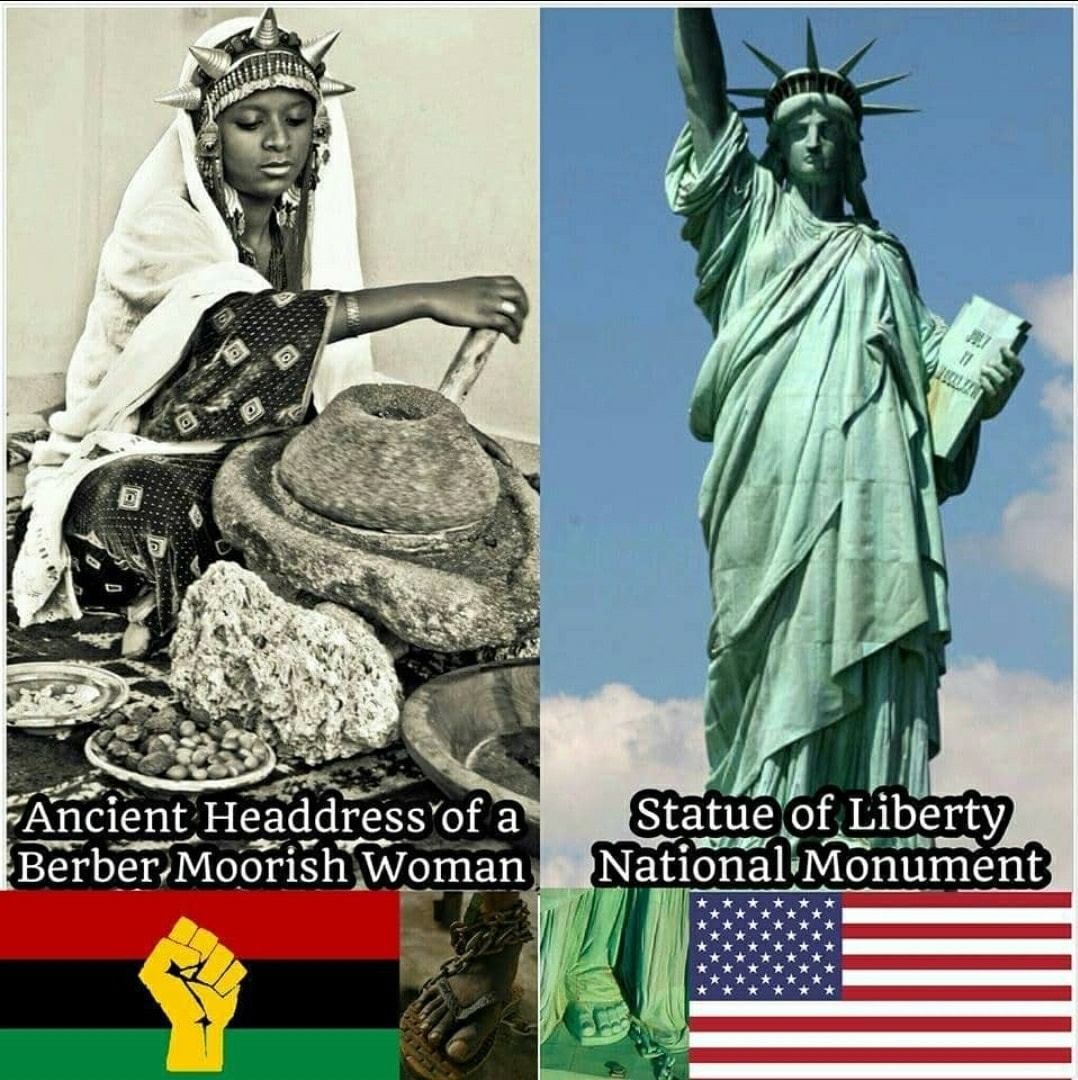
The Impact of Miseducation
This is paragraph text. Click it or hit the Manage Text button to change the font, color, size, format, and more. To set up site-wide paragraph and title styles, go to Site Theme.
Reclaiming Nationality and Dignity
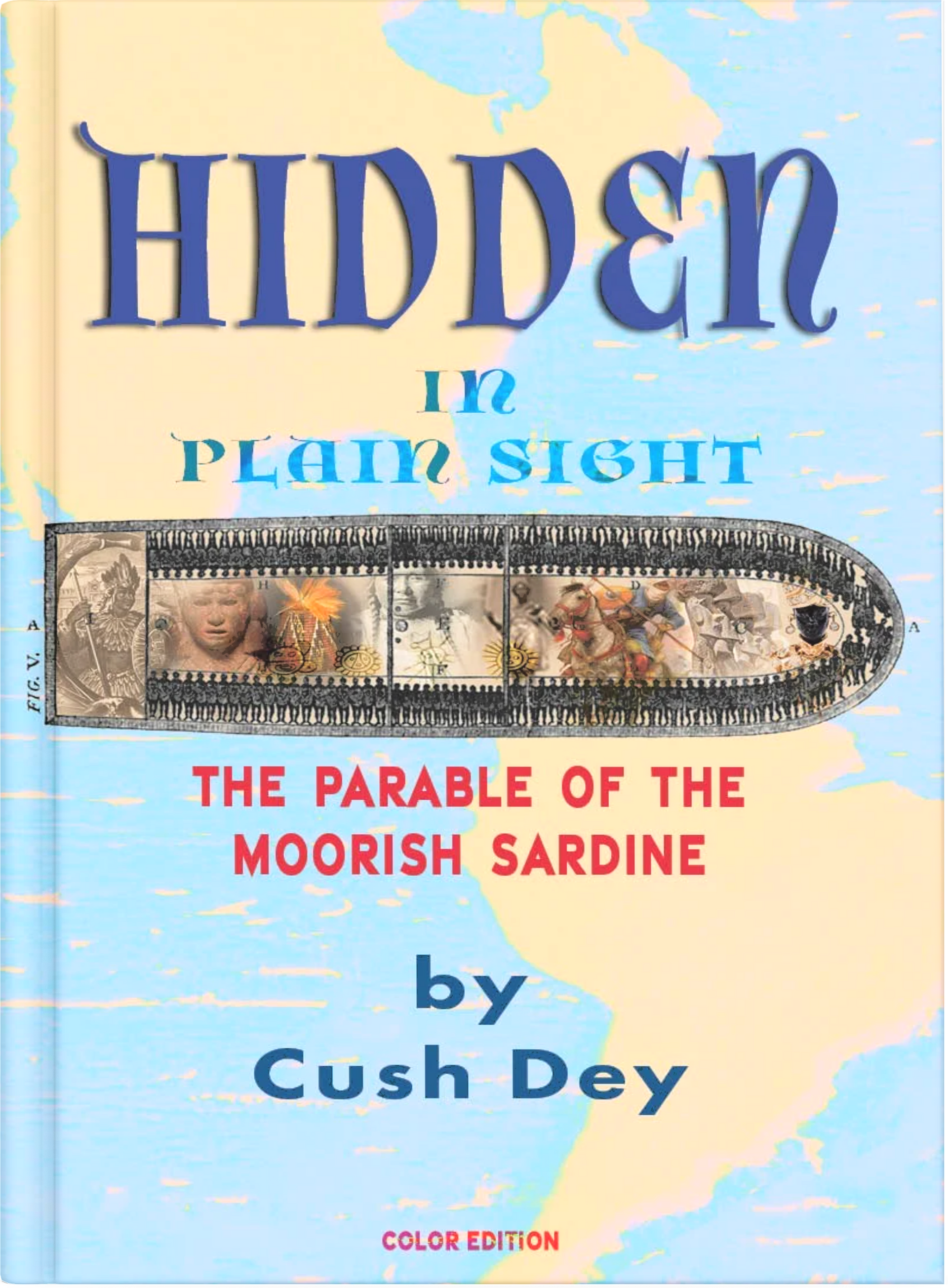
The book challenges readers to embrace their Moorish identity by understanding the importance of nationality. It presents nationality as a divine right and an essential component of self-determination. Without it, individuals are left vulnerable to systems that categorize and control based on race rather than heritage.As the text explains, nationality is more than a legal status—it's a foundation for community, culture, and spiritual growth. The act of reclaiming one's nationality is a powerful declaration of independence from oppressive systems and an alignment with ancestral wisdom. It's a call to awaken the dormant potential within, reestablishing dignity and purpose in the modern era.
Hidden in Plain Sight is a clarion call for Moorish Americans to reclaim their rightful place in history. By uncovering the truth about who the Moors are and the critical role they played in shaping civilization, this book offers a roadmap for restoring pride and agency to a people whose story has been buried for far too long.
Subscribe to Our Blog