Medallions in the Context of the Moors
A Symbol of Distinction and Connection
In pre-Columbian history, the act of bestowing medallions held significant cultural and spiritual importance, often symbolizing authority, achievement, or recognition of an individual’s role within a community. Medallions could signify membership in elite groups, accomplishments in battle, or other forms of distinction in various indigenous societies.
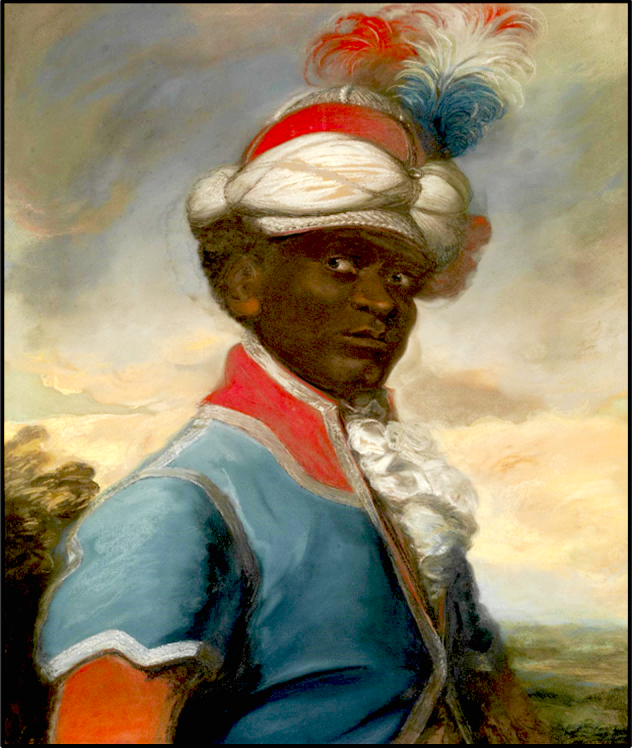
For the Moors—whose influence extended into pre-Columbian times through transatlantic contact theories and Moorish cultural imprints—the use of medallions or similar adornments was emblematic of leadership, spiritual significance, or allegiance to specific teachings or communities. The Moorish legacy, deeply intertwined with Islamic and African traditions, imbued medallions with layers of meaning:
- Symbols of Faith and Knowledge:
Medallions were often inscribed with Quranic verses or symbolic motifs representing divine knowledge, spiritual alignment, and the pursuit of enlightenment. These artifacts were seen as talismans, protecting the bearer and emphasizing their commitment to sacred teachings. - Markers of Status and Identity:
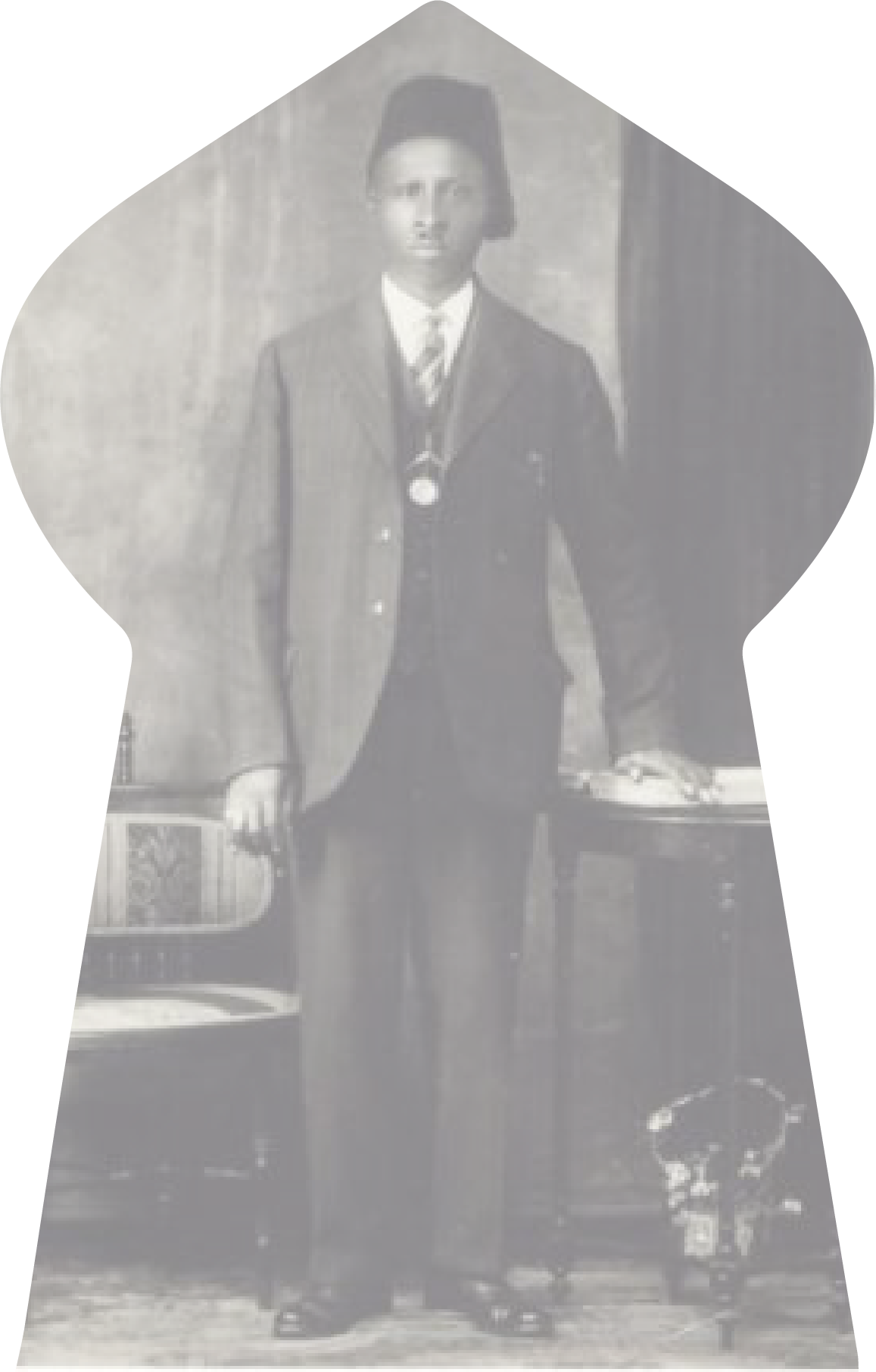
Among the Moors, medallions could denote one’s rank or contribution to societal development. Leaders, scholars, or spiritual guides might wear medallions as a visible affirmation of their roles, making these objects key identifiers within their communities. - Cultural Continuity and Resistance:
The Moors valued symbols that carried cultural and historical significance. Medallions were not only personal adornments but also tools for transmitting cultural narratives and asserting identity, particularly in times of conquest or cultural suppression.
Influence on Pre-Columbian Societies
There are compelling theories and historical traces suggesting Moorish contact with the Americas prior to Columbus. These influences might have extended to practices involving medallions. Indigenous societies in the Americas often used ornate jewelry and medallions in similar ways:
- Recognition of Valor or Achievement: Just as Moorish medallions acknowledged individual accomplishments, pre-Columbian societies, such as the Maya or Aztec, awarded medallions or symbols for bravery or societal contributions.
- Spiritual Representations: Medallions often carried cosmological designs, paralleling the Moorish practice of inscribing spiritual or religious imagery.
- Cultural Exchange: If the Moors made contact with pre-Columbian civilizations, medallions could have been objects of trade, influencing artistic styles and symbolic representations in indigenous jewelry.
Contemporary Relevance
For Moorish Americans today, medallions remain a potent symbol of heritage, connecting modern practices to ancestral traditions. These adornments serve not only as cultural emblems but also as reminders of the values and legacies upheld by their forebears. Whether representing unity, spiritual knowledge, or historical achievements, medallions continue to play a role in affirming identity and community ties.
Show Your Pride and Commitment Today
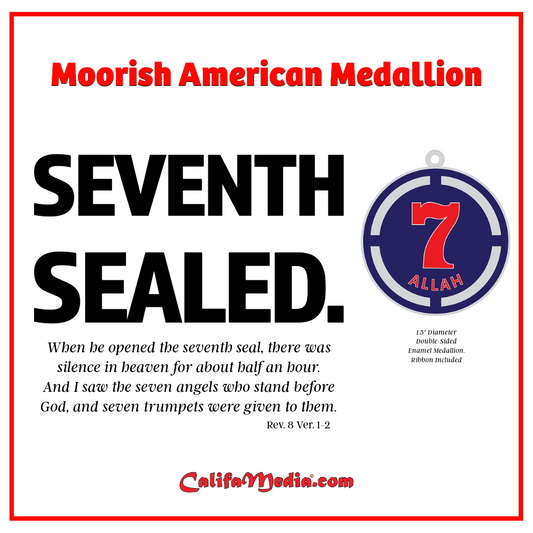
Carry the legacy of your ancestors with this exclusive Moorish American medallion, now available for pre-sale at Califa Media. Faithfully worn by members of the Moorish Science Temple of America and their supporters, this 1.5" soft enamel medallion is more than a symbol—it’s a statement of heritage, unity, and respect for our traditions.
Crafted by Moors for Moors and approved by Grand Sheik Kudjo Adwo El of Canaanland Temple #5, this medallion represents an authentic and meaningful connection to our culture. Don’t settle for imitations—support the mission of uplifting fallen humanity and ensure your purchase contributes to preserving our history.
Subscribe to Our Blog